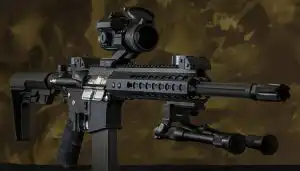
Building a rifle is like a rite of passage for many shooters. You start with a stripped lower, choose components, and shape a setup around how you actually plan to train and use it.
Start With a Clear Purpose
One of the most common mistakes is buying parts before deciding what the finished setup needs to do. A range rifle, a compact defensive setup, and a competition build place different demands on weight, balance, controls, optics, and durability.
Do Not Chase Accessories
More equipment does not automatically create a better rifle. Extra lights, mounts, oversized controls, and decorative hardware can add weight and clutter. Prioritize dependable components, comfortable handling, a useful sighting system, and only the accessories that support the rifle’s purpose.
Check Compatibility and Quality
Parts that look compatible online may use different dimensions, interfaces, or tolerances. Verify manufacturer specifications before ordering, use reputable components, and have uncertain installation or safety-critical work checked by a qualified gunsmith.
Test the Complete Setup
A finished rifle should be evaluated as a complete system. Confirm that controls are easy to reach, the optic position is comfortable, accessories stay secure, and the rifle functions reliably with the ammunition and magazines you intend to use.
Always follow the manufacturer’s instructions, use appropriate eye and ear protection, store firearms securely, and comply with all applicable laws and regulations.