
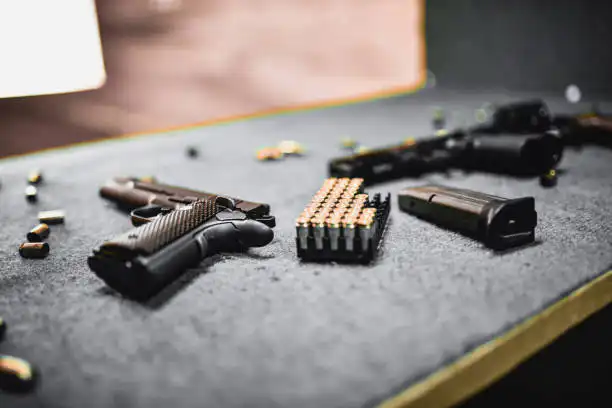
Owning a firearm is always a bit more responsibility than people think. It’s not only about safe storage or correct handling at the range. It also has to do with keeping it clean, like really clean over time. Dirt, carbon buildup, moisture, and leftover residue can slowly mess with how it runs, even if nothing seems “wrong” yet.
A lot of folks buy a firearm and assume it only needs attention after heavy use, but that mindset can create headaches later on. If you’re looking for gun cleaning steps for beginners, learning the basics early kind of makes everything easier later on. Good cleaning habits help your firearm stay reliable, work smoothly, and last for a long time.

Why Regular Cleaning Actually Matters
People usually think cleaning is all about appearance. Shiny metal. Clean surfaces. No fingerprints. That is only part of it.
Every time a firearm is used, carbon residue, dirt, and small particles begin collecting inside it. Some of it is obvious. Some of it hides in spots most people barely notice. After enough use, those little things start adding up.
You may notice the slide feels less smooth. Maybe things start feeling slightly off during use. Most problems do not show up overnight. They sneak up slowly.
And honestly, those are the annoying problems because they could have been avoided with twenty or thirty minutes of maintenance.
Start With Safety Before Anything Else
This sounds obvious, but people get comfortable sometimes.
Before cleaning, remove the magazine if your firearm uses one. Check the chamber. Then check it again. Do not rush through this part because you cleaned it safely ten times before.
Once that is done, move into safe firearm disassembly basics. For normal cleaning, you usually do not need to tear the firearm completely apart. Field stripping handles most routine maintenance. Taking apart every tiny component, when you do not really need to, usually creates more headaches than benefits, kind of yeah. If you are not sure about something, slow down and check the manual.
Set Up a Spot Before You Start
You do not need a huge workbench that looks like something from a gunsmith’s shop. A kitchen table, garage bench, or desk works fine as long as you have enough space. Throw down an old towel or cleaning mat so parts do not slide around everywhere.
Good lighting matters more than people realize, too. Carbon buildup loves hiding in corners and tight spots. You think you cleaned everything, then you shift the light a little and suddenly notice areas you completely missed.
Get Your Supplies Ready First
One thing beginners do all the time is start cleaning and realize halfway through they forgot something.
Now they are walking around looking for patches or solvent with firearm parts spread all over the place.
Basic firearm cleaning kits usually cover what most people need when getting started. You do not have to buy every tool hanging on a wall display.

How to Clean a Firearm Without Making It Harder Than It Needs to Be
People often make cleaning feel way harder than it really is. If you are learning how to clean a firearm , just clean one section at a time. Start with the barrel, then shift to the other parts. Going step-by-step keeps things simple, like honestly. If you try to do everything in one go, it tends to get confusing fast.
Give Extra Attention to the Barrel
The barrel takes a lot of abuse, so naturally it needs attention.
Run a solvent-soaked patch through first and give it a little time to work. After that, use the proper brush size and work through it carefully.
You will probably notice something if you are newer to this.
The first few dirty patches come out darker than expected. People see that and suddenly start scrubbing like they are trying to sand a piece of wood.
No need for that. Steady cleaning works better than aggressive cleaning.
Small Areas Usually Cause Big Headaches
Most people remember obvious areas. The barrel gets cleaned. Exterior surfaces get wiped down. Then the smaller spots get ignored.
Rails, corners, extractors, and tight spaces collect residue over time. These are usually the places where buildup likes to hide quietly.
Using proper cleaning accessories for firearms can help reach those areas without making things frustrating. Smaller brushes and detail tools save a lot of effort.
People are often surprised by how much grime shows up in places they barely noticed before.
The Part People Forget: Lubrication
This is where a lot of new owners make mistakes. Cleaning gets finished, everything looks good, and the job feels done. Not quite.
Proper lubrication of moving parts helps reduce unnecessary wear and keeps operation smooth. The key thing here is not using too much.
A lot of people assume extra oil equals extra protection. Usually, it just creates a mess.
Excess lubricant collects dirt and residue, which eventually gives you another problem to deal with later.
Build a Routine You Will Actually Follow
You do not need a complicated schedule written on a calendar. Find a routine that realistically fits your use.
If you spend a full afternoon at the range putting rounds through your firearm, giving it some attention afterward makes sense. If it mostly sits stored away, occasional checks still matter.
People looking up gun cleaning steps for beginners sometimes think there is some perfect formula.
There really is not. The important thing is consistency.
Buy Things You Will Actually Use
Most firearm owners eventually end up with random products sitting around that barely get touched. It happens.
A handful of reliable gun maintenance supplies usually handles most situations. Patches, brushes, cleaning solution, lubricant, and a few quality tools cover the basics without making things complicated.
Simple beats clutter almost every time.
From Our Team at Red Cliffs Tactical
At Red Cliffs Tactical, we spend a lot of time around firearms and gear, and one thing becomes pretty obvious after a while. People who take maintenance seriously usually avoid a lot of preventable issues later. We always encourage firearm owners to build good habits early because cleaning is not really about making a firearm look good. It is about keeping it reliable when you need it.
Conclusion
Keeping your firearm clean doesn’t really have to turn into some big, all day long weekend project. Just learn the basics, keep an eye on the small details, and form habits that match your routine. The more consistent you stay with it, the easier it gets over time. Simple firearm maintenance tips followed regularly usually work far better than waiting until problems start showing up.
Need Reliable Firearm Maintenance Essentials?
FAQs
Q. Do you offer products for gun cleaning steps for beginners?
Yes. Red Cliffs Tactical offers products and gear that kinda help make gun cleaning steps for beginners simple. Like, starting with solid tools and the basic cleaning supplies can make the whole process feel less of a hassle, and it can help new firearm owners build confidence right from the start. At the same time, a reliable setup matters because, well it just simplifies things, step by step.
Q. How often should I clean my firearm?
There isn’t really one exact rule that works for everyone. If you use your firearm a lot at the range, cleaning after each use usually just makes sense. And for firearms kept in storage for long stretches, it’s still a good idea to check them now and then, so you prevent buildup, that layer of dust, and moisture problems too.
Q. Can using too much lubricant create problems?
Yes. Too much lubricant can actually attract dirt and carbon residue over time. Instead of helping, extra oil may create buildup in important areas. A light application where needed usually works much better than coating everything heavily.
Q. Do I need expensive tools for firearm cleaning?
No. Most firearm owners can handle regular maintenance with basic equipment. A quality cleaning rod, patches, brushes, solvent, and lubricant cover most routine needs. Expensive tools can help, but consistent cleaning habits matter much more.