Owning a firearm is not just about buying it, loading it, and heading to the range. A lot of people stop there. The thing is, learning the basic firearm parts behind what you own makes a bigger difference than most people expect. You do not really need to become an expert or spend nights reading those manuals. You just have to understand which pieces are important and how they affect safety, reliability, and performance. If you know your firearm a bit better, it can spare you from a lot of frustration later, you know. It also gives you that stronger confidence each time you pick it up.
Getting Familiar With Your Firearm Matters More Than People Think
A lot of new owners focus on shooting and ignore everything else. That is pretty common. The excitement usually goes toward ammo, optics, accessories, or what upgrade to buy next.
But here is where people miss something important.
If your firearm suddenly starts acting kind of differently, you really need at least a basic understanding of what could be going on. You don’t have to diagnose everything like a full gunsmith, but being able to recognize where the problem might begin is honestly pretty useful.
Think about owning a truck. You might not rebuild the engine in your garage, but you can usually tell when something sounds wrong, or when it feels “off” in the first place. Same idea here.
Understanding the Main Components of a Firearm Explained
Most firearms, like rifles, handguns, or shotguns, have a few major parts that do most of the heavy lifting, sorta speaking. Like you’ve got the barrel, trigger system action, magazine, the grip or stock, and then the sights. Different kinds of firearms might move the pieces around a bit, maybe even swap the order or adjust one component, but these core parts are usually still there in some form or other.
Learning them is not difficult. The hard part is getting over the idea that it is all complicated. Because honestly, it usually is not.
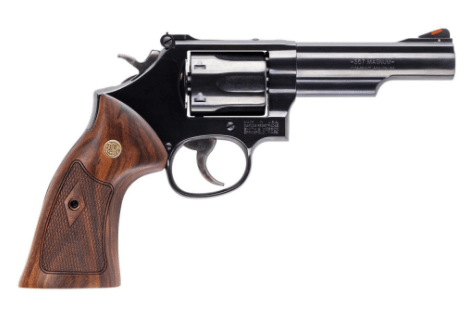
The Barrel Does More Than People Realize
Most people see a barrel and think, “Okay, that is where the bullet goes.”
Technically true. But inside many barrels are grooves called rifling. Those grooves create spin on the bullet as it travels through. That spin helps keep the shot stable.
People sometimes overlook barrel maintenance, too. Then accuracy starts changing, groups get wider, and they wonder why things feel off at the range. Carbon buildup and neglect can slowly create problems without making a big announcement first.
Basic Gun Parts and Their Functions
The trigger starts the firing process. The firing pin hits the primer. The action cycles ammunition. The magazine feeds rounds where they need to go.
Simple breakdown, but small parts create surprising problems. A weak spring, damaged firing pin, or worn component can turn a reliable firearm into a frustrating one.
That is why experienced owners often pay attention to little things before they become big things.
The Action Is Basically The Working Heart
If somebody asked what part keeps everything moving, the action would be high on the list.
The action loads the ammunition, fires the round, and does a bit of work to help set up the next shot, too. Bolt-action rifles run a bit differently from pump setups or semi-automatic platforms, but the overall task stays pretty much the same, in practice.
A lot of folks buy a firearm and then never really learn how their exact system operates. Then something jams once, and panic kicks in.
Usually, there is a reason behind it.
How Firearm Parts Work Together
Nothing inside a firearm works alone. You pull the trigger. The firing pin strikes the primer. Pressure builds. The projectile moves through the barrel. The action cycles and resets for the next round.
It all happens incredibly fast. Understanding how firearm parts work together helps because troubleshooting suddenly becomes easier. Instead of saying, “Something feels weird,” you start narrowing things down.
That saves time and frustration.
A Practical Firearm Components Guide For New Owners
Magazines deserve more attention than they get. People blame firearms for feeding issues all the time, and sometimes the magazine is the actual problem, sitting there quietly, causing trouble.

Weak springs, damaged feed lips, dirt buildup, and general wear can affect reliability. Not every problem needs a complicated fix. Sometimes it really is the simple stuff.
Basic Firearm Parts Explained Without Making It Complicated
The easiest way to learn is surprisingly boring.
Unload your firearm safely, grab the owner’s manual, and physically identify each component while reading through it.
Most people skip that step because manuals are not exciting. But handling the firearm while identifying parts helps things click faster than reading random articles online.
It becomes less about memorizing and more about understanding.
From Our Team At Red Cliffs Tactical
At Red Cliffs Tactical, we work with people across different experience levels every day. Some have years behind them. Others are buying their first firearm and figuring things out as they go.
One thing we see constantly is this: people become more comfortable when they understand what they own. Learning basic firearm parts is not about sounding like an expert around friends or memorizing technical terms. It is about making smarter decisions and becoming a safer, more confident owner.
Conclusion
Nobody learns everything in one night. That is not the target.
Start with the basics and work your way up from there. Learn the basic firearm parts that matter, see what they do, and become comfortable with your exact platform. Over time, these parts stop looking like random pieces of metal and start adding up, like they actually make sense.
FAQs
1. Why does Red Cliffs Tactical recommend learning basic firearm parts before buying upgrades?
Red Cliffs Tactical recommends learning basic firearm parts first because understanding the foundation helps owners make smarter decisions later. Knowing what each component does can prevent wasted money on unnecessary upgrades and help improve overall confidence with your firearm.
2. What firearm part commonly causes feeding problems?
Magazines often create feeding issues more than people expect. Weak springs, damaged feed lips, dirt buildup, or normal wear over time can affect reliability. Many owners immediately blame the firearm itself when the magazine may actually be causing the issue.
3. Do I need to learn every firearm part as a beginner?
No. Beginners do not need to learn every small component immediately. Start with major parts like the barrel, trigger, action, magazine, and sights. Building knowledge gradually feels easier and helps avoid becoming overwhelmed with technical details.
4. Can poor firearm maintenance affect accuracy?
Yes. Lack of maintenance can affect accuracy and reliability over time. Dirty barrels, worn parts, carbon buildup, and neglected components may gradually reduce performance. Regular inspections and cleaning help keep your firearm functioning consistently and safely.